How Brushless Motors Work
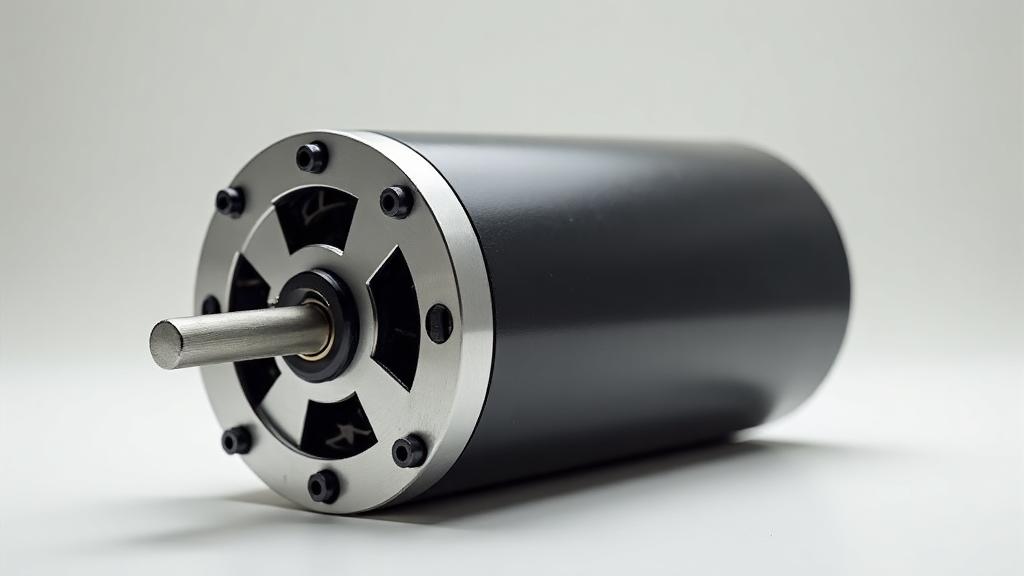
In a brushed motor, carbon brushes physically contact the spinning commutator to switch the magnetic field, creating friction and heat that wears the brushes over time. Brushless motors replace those brushes with a solid-state electronic controller (often using MOSFETs) that precisely times power to the motor windings, removing the main source of friction and wear.
Why Brushless Tools Are Preferred
- More Power – The copper windings are on the outside of the motor, so they can be made larger, delivering more torque in a compact package.
- Longer Runtime – Without brushes dragging, less energy is wasted as heat, increasing battery life per charge. HART notes its brushless lineup delivers "more power, longer runtime and longer motor life".
- Greater Durability – Fewer moving parts reduce the chance of mechanical failure. Acme Tools states that brushless motors can "stop burning out your power tools" and provide "massive torque and insane battery life".
- Better Control – The electronic controller adjusts power delivery for different tasks, improving responsiveness.
Tradeoffs and Considerations
- Higher Upfront Cost – Brushless tools are generally more expensive due to added electronics. Longer life and better performance can offset the cost for frequent users.
- Battery System Dependency – Performance gains rely on the battery platform. Brushless motors paired with high-capacity lithium-ion packs (e.g., 5.0 Ah) maximize benefits.
- Not Always Necessary – For occasional DIY tasks, a brushed tool may suffice. The extra cost of brushless is most justified for daily or heavy-duty use.
How to Choose a Brushless Power Tool
Use these steps to decide whether brushless is right for you and which tool to buy:
Step 1: Assess Your Usage Frequency
If you use the tool daily or several times a week, brushless is a strong choice for durability and runtime. If you use it a few times a year, a brushed tool may be more cost-effective.
Step 2: Match the Tool to the Task
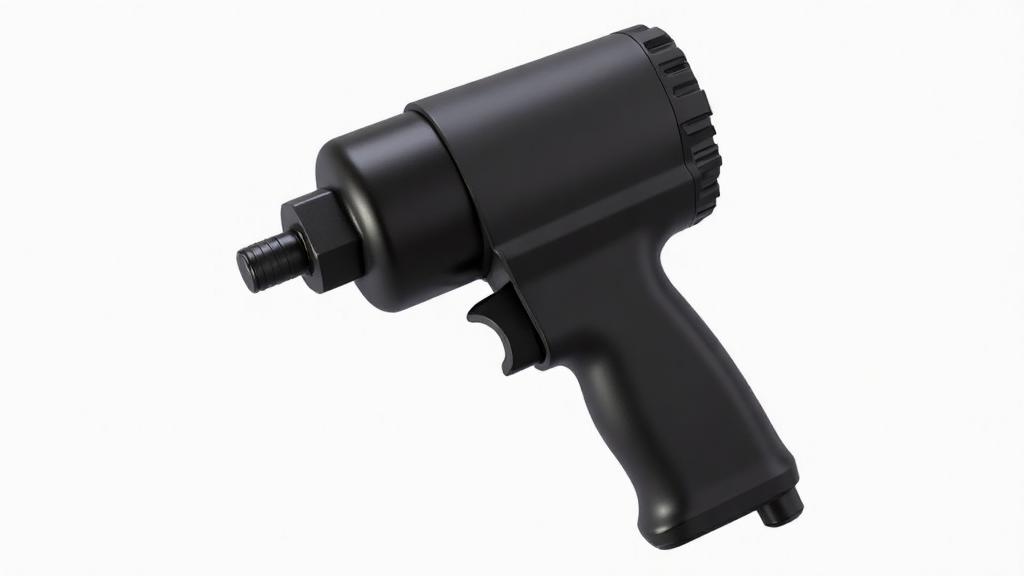
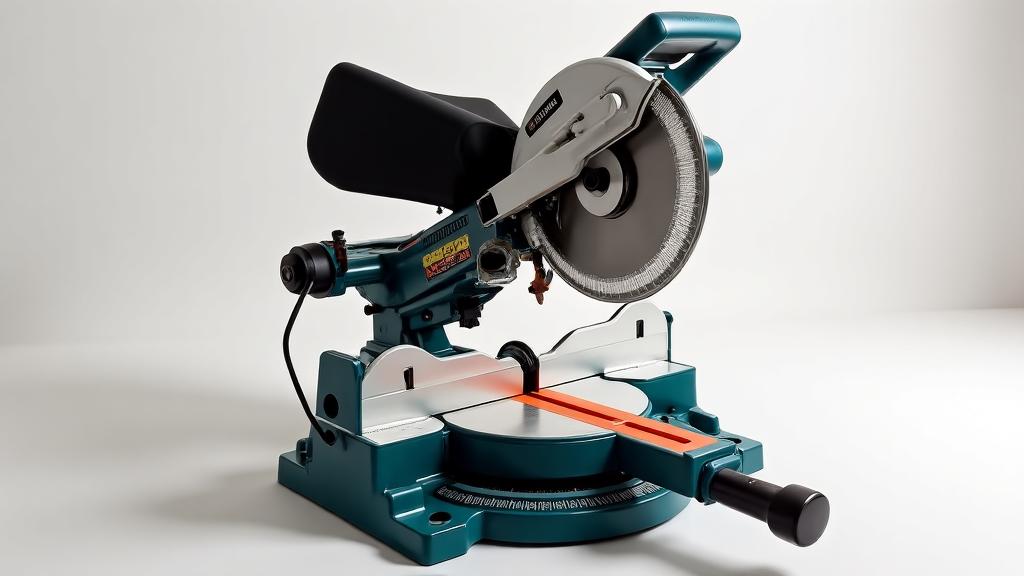
For high-torque applications (impact wrenches, circular saws, lawn mowers), brushless provides noticeable power advantages. For light tasks (simple drilling for hanging pictures), brushed can suffice.
Step 3: Check the Battery Platform
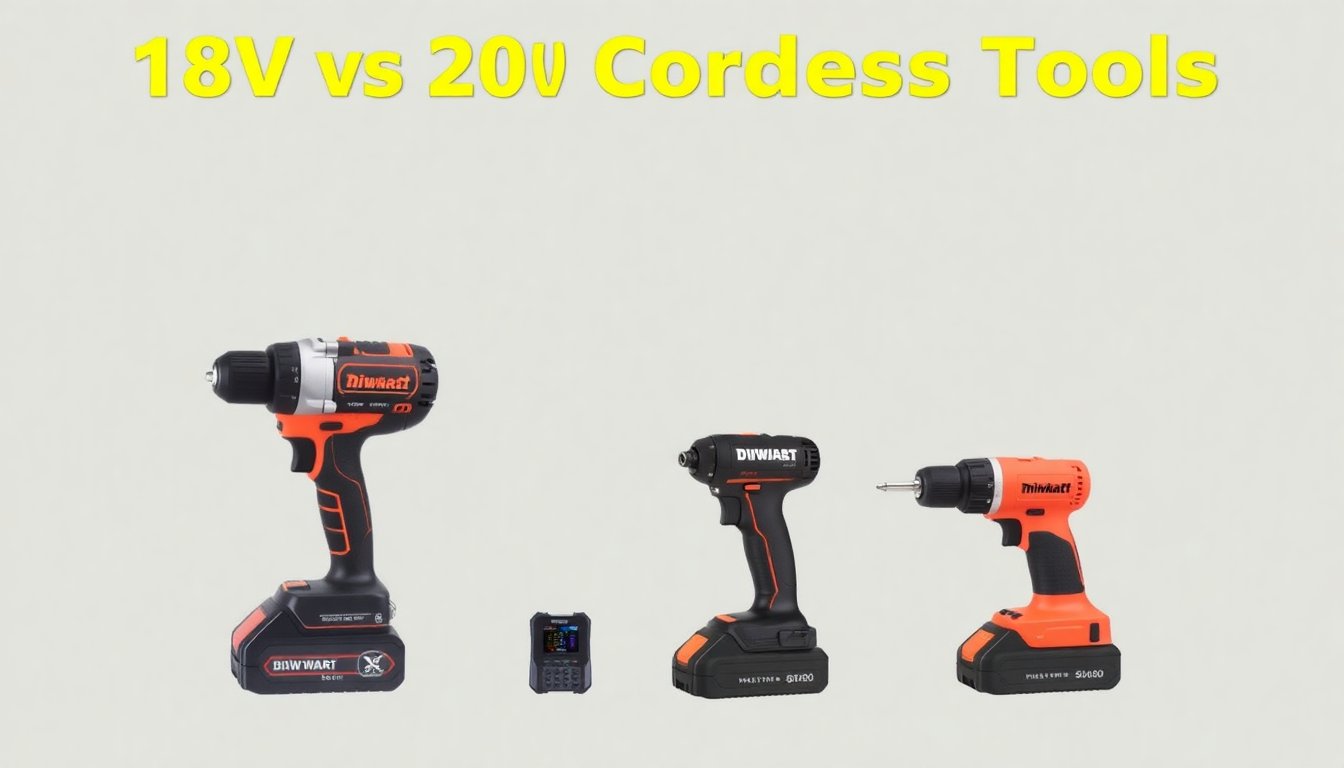
Stick with one battery system (e.g., Milwaukee M18, DEWALT 20V MAX, HART 20V/40V). Brushless tools from the same brand often share batteries. Look for kits that include a battery and charger, many brushless combo kits come with two batteries and a charger.
Step 4: Compare Runtime and Power Claims
Manufacturer claims (e.g., "more power, longer runtime") are based on controlled tests. Real-world results vary by tool and battery condition. Read customer reviews to see if users report satisfying battery life and torque.
Step 5: Consider the Full Line
Brands like HART offer brushless versions of nearly every tool, from string trimmers to mowers. If you plan to expand your toolset, choose a brand with a wide brushless ecosystem.
Practical Takeaways
- Brushless motors are more efficient, powerful, and durable than brushed motors, but they cost more upfront.
- Real-world benefits depend on the battery and tool quality. High-end models like Milwaukee's M18 FUEL line are designed for demanding jobs.
- For homeowners tackling occasional projects, a brushed tool may be enough. For professionals or serious DIYers, brushless is a worthwhile investment.
- Always check battery system compatibility before buying additional tools.
References
- Home Depot – Brushless Power Tools category page: https://www.homedepot.com/b/Tools-Power-Tools/Brushless/N-5yc1vZc298Z1z17tnq
- HART Tools – Brushless collection: https://harttools.com/collections/brushless
- Amazon – Brushless tools search results: https://www.amazon.com/brushless-tools/s?k=brushless+tools
- Popular Mechanics – "What's So Great About Brushless Motor Power Tools?": https://www.popularmechanics.com/home/tools/a8109/whats-so-great-about-brushless-motor-power-tools
- Ryobi – "Brushed vs Brushless Power Tools: What's the Difference?": https://www.ryobitools.com/blogs/diy/brushed-vs-brushless-power-tools
- Acme Tools – "The Pro's Guide to Brushless Motors: What They Really Mean for You": https://www.acmetools.com/tool-crib/ac730051/the-pros-guide-to-brushless-motors-what-they-really-mean-for-you