Quick Answer
A cordless drill motor is a universal motor that can be repurposed for other projects beyond drilling. Common uses include turning the drill into a generator, using the extracted motor for robotics or remote-controlled rovers, and powering DIY devices such as electric bikes, welding tractors, or rotary tables.
Main Explanation
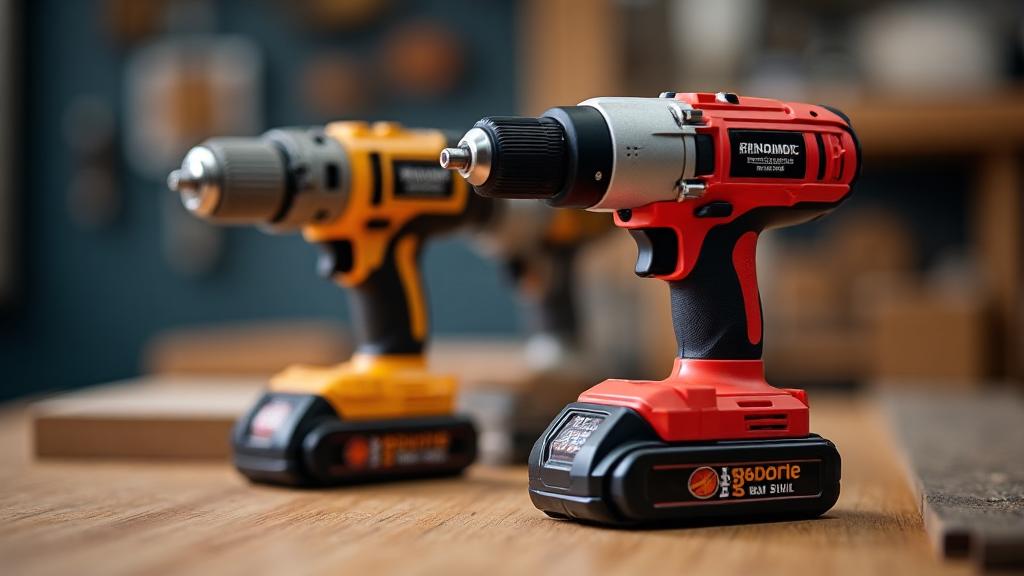
Cordless drills use universal motors, also found in most handheld power tools like routers, jigsaws, and sanders. This motor type is compact and powerful, making it suitable for reuse. When you salvage the motor, you also get access to the chuck, gears, and speed controller, which can be integrated into new builds.
Three Main Approaches to Using the Motor
- Whole Drill as Generator – Spinning the chuck generates electricity without modifying the tool.
- Extracted Motor for New Projects – Removing the motor gives a standalone drive unit for small vehicles, robot arms, or bench tools.
- Drill as a Powerhead – Keep the drill intact to spin attachments for tasks like paint spinning or wire twisting.
- Robotics: Salvage a motor from a cheap cordless drill to drive rover wheels.
- Workshop Tools: Build a powerfeed for a milling machine, a plasma/oxyfuel welding tractor, or a rotary welding table.
- Electric Bikes: Hobbyists have used drill motors for lightweight e-bike conversions.
- Keep the drill whole if you need a handle, trigger, and battery compartment for portability (e.g., for a paint spinner).
- Extract the motor if you want a compact, light drive unit for integration into a custom frame (e.g., a robot or bike).
- Power and Torque – The original speed controller limits output; you may need to modify or replace it if your project requires different torque.
- Battery Compatibility – Dead battery packs can be replaced with a 12V lead-acid or lithium battery after soldering leads.
- Safety – Universal motors spin at high RPM; secure all moving parts and use a proper enclosure.
- If keeping the drill intact, attach the needed accessory to the chuck (e.g., a paint spinner or wire brush).
- If extracting the motor, remove the housing, unsolder the motor leads, and mount it in your project chassis.
- Wire the motor to a suitable power source, adding a switch or speed controller as needed.
- Cordless Drills - Hacking for Other Uses - Instructables
- Convert a Cordless Drill into a Robot Motor in Just a Few Steps! - YouTube
- Repurposing Cordless Drills - YouTube
- How DC motors (universal motors) work - Woodgears.ca
- Uses for old cordless drills | MIG Welding Forum
- 5 Unexpected Ways To Use Your Cordless Drill - SlashGear
Concrete Examples from the Community
Practical Takeaways: A Decision Framework
Follow these ordered steps to decide how to use your cordless drill motor.
Step 1: Decide on the Form Factor
Step 2: Select the Application Type
| Project Goal | Recommended Approach | Source |
|---|---|---|
| Generate electricity | Use whole drill as generator (spin chuck) | |
| Power a small robot or rover | Extract motor and connect to wheels | |
| Create a stationary power tool | Extract motor and add a new speed controller | |
| Build an electric bike or welding tractor | Use whole drill or extracted motor with a battery pack | |
| Decorative or art project (e.g., spin art) | Use whole drill with attachments |