Quick Answer
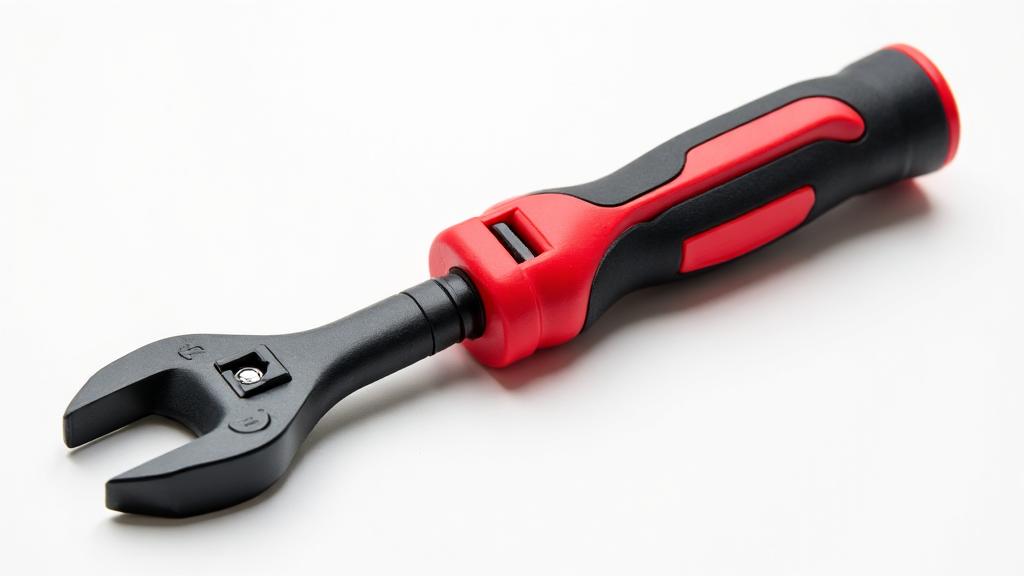
A cordless ratchet wrench is a battery-powered tool that tightens and loosens fasteners faster than a manual ratchet, especially in tight spaces. To choose the right one: match the torque to your tasks (35–88 ft‑lbs), pick a battery system you already own (12 V, 20 V, or M18), and decide whether you need an extended head for confined access. Below is a step‑by‑step decision framework to help you apply this guidance.
Main Explanation: Decision Framework for Choosing a Cordless Ratchet Wrench
Use these ordered steps to select and use your cordless ratchet wrench. The claims below come from manufacturer specifications and product listings; we have not independently tested these tools.
Step 1: Determine the torque you need
Torque determines how much turning force the wrench can deliver. Based on available models:
- Light‑duty (≈35 ft‑lbs): Suitable for low‑torque automotive and home tasks. Some 12 V models produce up to 35 ft‑lbs.
- Mid‑range (44–75 ft‑lbs): Handles most mechanical and DIY fasteners. A professional line offers 44–75 ft‑lbs.
- High‑torque (≈88 ft‑lbs): For stubborn or larger bolts. An 88 ft‑lbs model with a brushless motor is available.
Choose the torque closest to the typical fasteners you work on. If you often face rusted or overtightened bolts, lean toward the higher end.
Step 2: Pick a battery voltage you already own or want to adopt
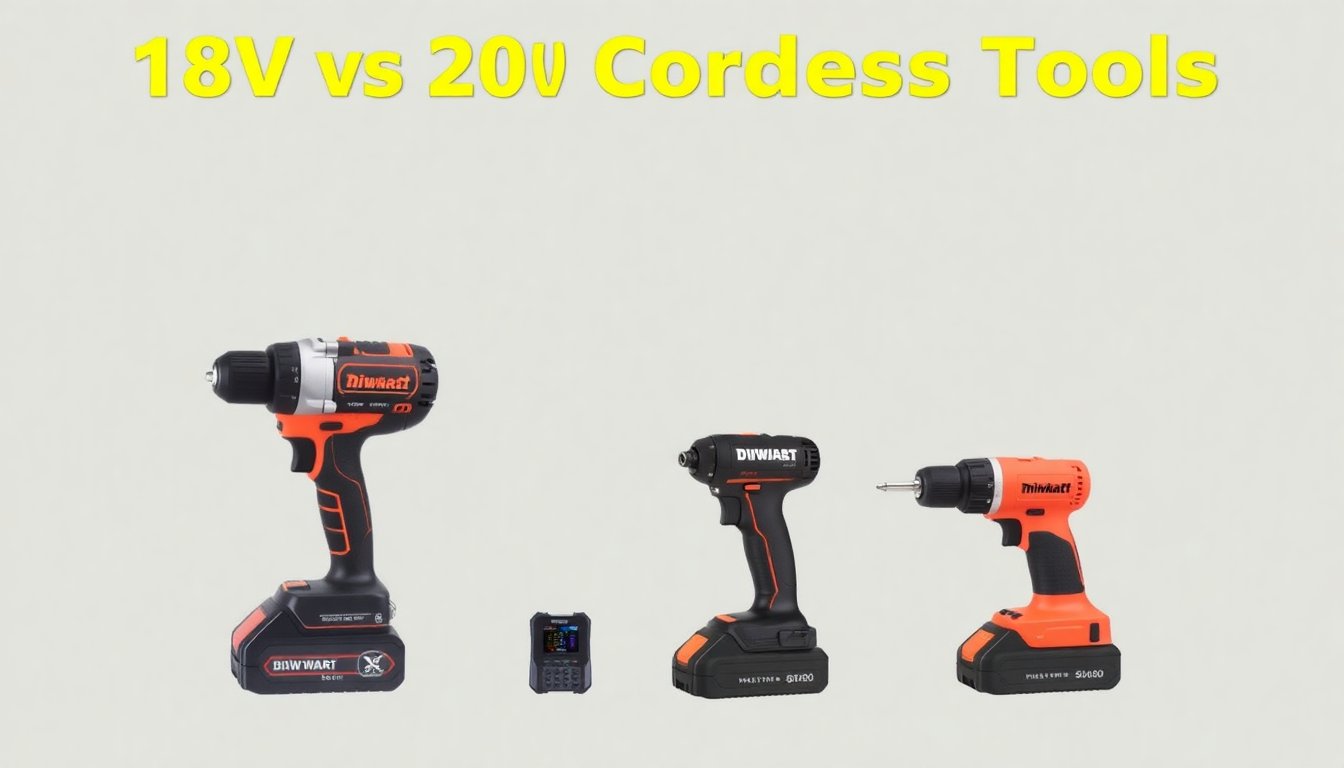
Cordless ratchets use rechargeable batteries. Common platforms:
- 12 V – Very compact, good for light work.
- 20 V – A popular balance of power and weight. One 20 V 3/8‑inch ratchet (tool only) is priced at about $59.99.
- M18 (18 V) – Milwaukee’s platform; a best‑selling set uses M18 batteries.
If you already have drills or impacts from a brand, sticking with the same battery system saves money on extra batteries and chargers.
Step 3: Choose head length and access features
Standard heads work in most spaces, but extended‑reach models help in deep or obstructed areas. A professional extended‑head wrench is designed for tight spaces. Check the head length in the product specs.
Step 4: Decide on key features
- Brushless motor – More efficient and longer‑lasting than brushed motors; common in newer models.
- Variable speed trigger – Gives you control for different tasks, from slow starts to fast driving.
- Reinforced housing – Some wrenches have reinforced steel or composite housings for durability.
How to Use a Cordless Ratchet Wrench (Based on General Guides)
Once you have your wrench, follow these steps adapted from general use guides:
- Insert a charged battery until it clicks.
- Select the correct socket and attach it to the square drive (most are 3/8‑inch).
- Set the direction – forward to tighten, reverse to loosen.
- Place the socket on the fastener and squeeze the trigger. Start slowly, then increase speed as needed.
- If you need more torque, switch to a higher‑torque setting (if available) or use a manual ratchet for final tightening/loosening.
- Match torque to task: 35 ft‑lbs for light work, 44–75 ft‑lbs for general mechanical, 88 ft‑lbs for heavy duty.
- Leverage existing batteries to reduce cost.
- Extended head is worth it if you work in tight engine bays or machinery.
- Brushless motor and variable speed add versatility and longevity.
Practical Takeaways
References: Home Depot – Cordless Ratchets (snippet: 12 V motor, up to 35 ft‑lbs, reinforced steel housing) Harbor Freight – Cordless Ratchets (20 V, 3/8‑inch, tool only $59.99, 4.7 stars from 587 reviews) Amazon Best Sellers – Best Power Ratchet Wrenches (3/8‑inch set for Milwaukee M18, 88 ft‑lbs, 0–550 RPM, variable speed, brushless, reinforced head) Lowe’s – Cordless Ratchet Wrench (general description for automotive, mechanical, DIY) Alloyman – Cordless Ratchet Wrenches (professional extended head, 44–75 ft‑lbs, brushless, dual batteries) Seesii – Use of Cordless Ratchet Wrench: A Comprehensive Guide (basic functions, features: compact, adjustable torque, rechargeable battery, variable speed) Onevan – How to Use a Ratchet Wrench: A Step‑by‑Step Tutorial (parts, operational steps)