Quick Answer
A cordless right angle drill is a power tool with a head set at a 90-degree angle to the grip, allowing you to drill and drive fasteners in tight spaces without contorting your arm. It works like a standard drill but with a compact, L-shaped profile that fits between studs, inside cabinets, or under sinks. Cordless models run on rechargeable batteries, giving you portability on the job site.
Main Explanation
Design and Purpose
Right angle drills are specially designed for close‑quarter work. The 90‑degree head lets you apply force inline with the bit while keeping the motor and battery out of the way. This makes them essential for electricians, plumbers, and cabinet installers who need to drill in awkward spots.
Cordless versions add freedom of movement, no cord to get snagged or limit reach. Most models use either a 3/8‑inch or 1/2‑inch chuck, and many offer variable speed for better control.
Key Features to Consider
- Chuck Size: 3/8‑inch chucks are common for light‑duty drilling; 1/2‑inch chucks handle larger bits and higher torque.
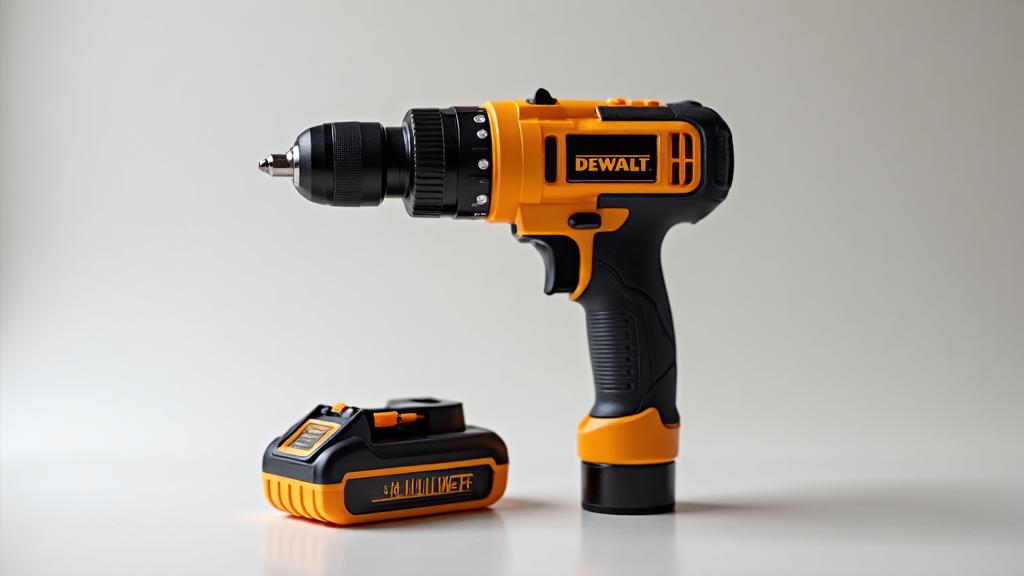
- Battery Platform: Sticking with an existing battery system (e.g., Milwaukee M18, DeWalt 20V, or Harbor Freight’s Bauer/Hercules) can save money if you already own other tools from that line.
- Brushless Motor vs. Brushed: Brushless motors are more efficient and durable. For example, the HERCULES 20V brushless cordless right angle drill from Harbor Freight is advertised as brushless.
- Profile Length: A shorter head helps you fit into tighter gaps. Milwaukee once marketed an M18 model with a total profile length of just 3‑3/4 inches, calling it the most compact 18‑volt right angle drill driver on the market, though that specific product is no longer available.
- Speed Control: Variable speed triggers (often with a switch) allow you to start slowly for precise positioning.
- LED Light: Many newer models include an LED work light to illuminate dark corners.
Comparison of Options from Research
Below are examples surfaced from retailer listings. No hands‑on testing was performed by this site, this information is synthesized from manufacturer pages and online retailers.
| Source | Model / Line | Chuck Size | Price (Tool Only) | Key Claim |
|---|---|---|---|---|
| Harbor Freight | BAUER 20V Cordless | 3/8 in. | $44.99 | Budget‑priced, brushed motor |
| Harbor Freight | HERCULES 20V Brushless | 1/2 in. | $94.99 | Brushless motor, variable speed |
| Milwaukee | M18 Right Angle Drill (discontinued) | 3/8 in. (likely) | No longer available | Was “most compact” 18V on market (3‑3/4” profile) |
| Amazon Bestsellers | Various brands (e.g., brushless for DeWalt 20V) | 3/8 in. | Varies | Brushless, variable speed, LED light |
| CPO Outlets | Multiple brands | 3/8 in. | Varies | General description of 90‑degree head for tight spaces |
Practical Takeaways
- Identify your tightest clearance. Measure the gap where you need to drill, right angle drills are designed for tight spaces.
- Choose your battery ecosystem. If you already own tools from a specific brand (Milwaukee, DeWalt, Harbor Freight Bauer/Hercules), buying a tool‑only model saves money.
- Decide on brushless vs. brushed. For occasional use, a budget brushed model like the BAUER ($44.99) may be sufficient. For regular use, a brushless model like the HERCULES ($94.99) offers a brushless motor.
- Check chuck size. If you only need to drill small holes for screws, 3/8‑inch is fine. For larger bits (1/2‑inch or greater), opt for a 1/2‑inch model.
- Look for variable speed and LED. Variable speed helps you start holes without wandering; an LED light is useful in dark under‑sink or attic spaces.
Remember: the core advantage of a cordless right angle drill is accessing spots a standard drill cannot reach. Focus on head length, chuck size, and battery compatibility above other features.