Quick Answer
Power tools use electricity, batteries, or compressed air to speed up drilling, cutting, and fastening. The four primary categories are portable, stationary, pneumatic, and outdoor tools. Common examples include drills, circular saws, impact wrenches, and air compressors.
Categories of Power Tools
1. Portable Power Tools
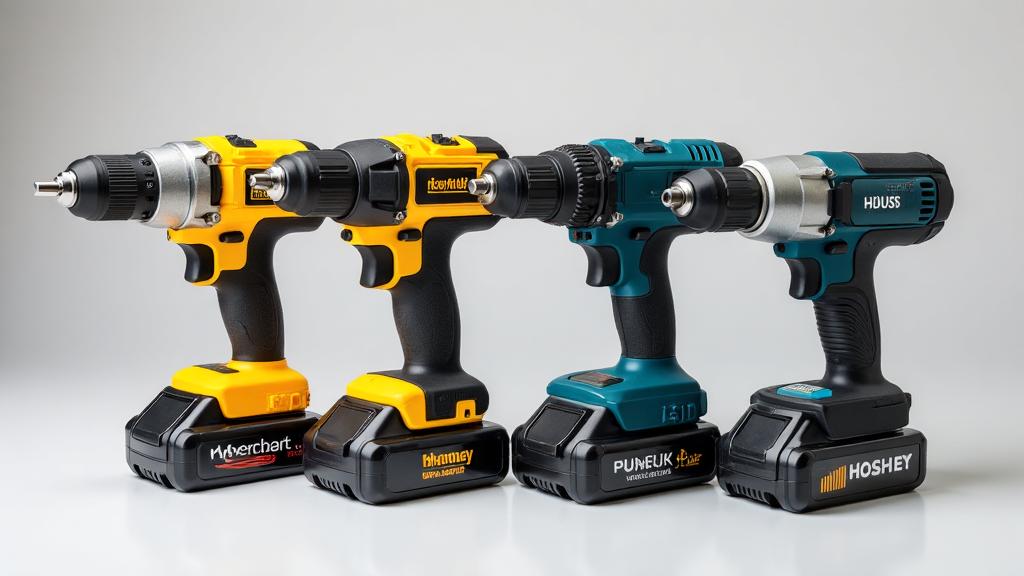
Handheld and designed for mobility, these are the most common in workshops and home projects. Examples: drills (cordless or corded) for holes and screws; circular saws, jigsaws, and reciprocating saws for cutting wood, metal, or plastic; angle grinders and sanders for grinding and smoothing; impact drivers and wrenches for high-torque fastening.
2. Stationary Power Tools
Mounted on a stand or bench for stability and precision. Common examples: table saws, drill presses, and bench grinders.
3. Pneumatic Power Tools
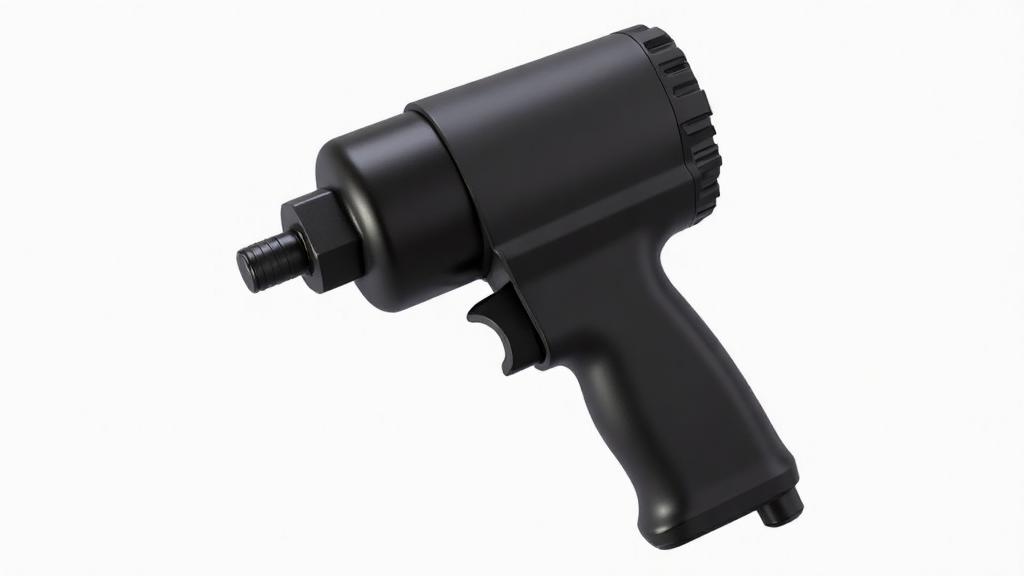
Powered by compressed air, often used in automotive and construction work. Examples: air compressors, nail guns, and impact wrenches.
4. Outdoor Power Tools
Designed for yard and garden work. Examples: chainsaws, pressure washers, and hedge trimmers.
Power Source: Corded vs. Cordless
Cordless tools offer portability but limited runtime; corded tools provide constant power for longer tasks. Beginners typically start with a cordless drill and expand from there.
How to Choose the Right Power Tools
Step 1: Identify Your Task
- Drilling holes or driving screws → drill or impact driver.
- Cutting wood or metal → saw (circular, jigsaw, or reciprocating).
- Smoothing surfaces → sander.
- Fastening large bolts → impact wrench.
- Heavy demolition → reciprocating saw or rotary hammer.
Step 2: Choose Power Source
- Need mobility? Cordless battery-powered.
- Working near an outlet for long sessions? Corded for consistent power.
Step 3: Consider Material and Precision
- Softwood or drywall → basic drill and jigsaw.
- Concrete or masonry → hammer drill or rotary hammer.
- Precise straight cuts → circular saw or table saw.
Step 4: Set a Budget and Start Small
- Beginners: cordless drill, jigsaw, and circular saw.
- Add a sander and angle grinder as skills grow.
Step 5: Prioritize Safety
- Read the manual, wear eye and ear protection, keep tools clean.
- For outdoor tools, follow fuel and maintenance instructions.
Practical Takeaways
- Start with a cordless drill: most versatile beginner tool.
- Match tool to material: hammer drills for masonry, circular saws for lumber.
- Maintain tools: keep blades sharp, clean dust ports, store in a dry place.
- Safety first: use dust extraction and ventilation to reduce particulate exposure.
By following this framework, you can build a power tool collection suited to your projects and budget without overspending on unnecessary tools.