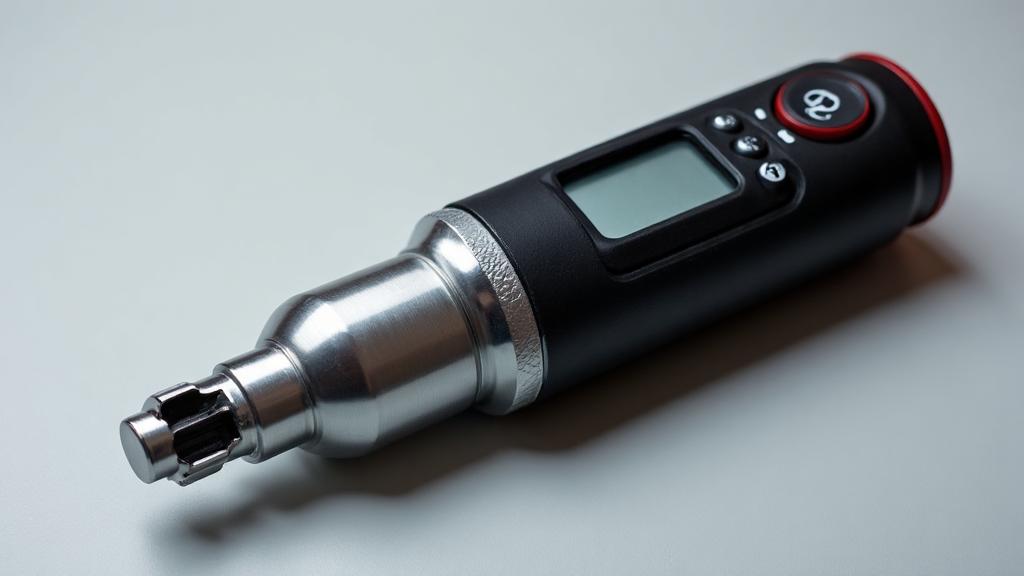
If you have ever needed to tighten a bolt to a specific torque and then turn it an additional number of degrees, common in modern engine cylinder head and chassis fasteners, a standard torque wrench alone will not suffice. A digital angle torque wrench combines both measurements in a single tool, removing the need for a separate angle gauge and reducing the risk of mistakes.
This guide explains what these wrenches do, shares three examples with documented specifications and user feedback, and provides a step‑by‑step framework to help you select the right one for your work.
How a Digital Angle Torque Wrench Works
A digital angle torque wrench measures two things simultaneously:
- Torque – the rotational force applied (in ft‑lb or Nm).
- Angle – how many degrees the fastener turns after reaching a target torque.
- Add‑on gauge (e.g., Steelman): Costs less if you already own a torque wrench. Requires you to attach and align the gauge each time.
- Integrated wrench (e.g., ICON, Eastwood): Single tool, no setup hassle. More expensive but faster and more convenient.
- Do you need programmable presets to recall common torque‑angle sequences? (Yes → ICON).
- Do you prefer a compact head for tight engine bays? (Yes → Eastwood).
- Do you only occasionally need angle measurement? (Yes → Steelman add‑on gauge).
Many modern vehicle repair procedures require a “torque‑plus‑angle” sequence. For example, you might tighten a head bolt to 50 ft‑lb, then turn it an additional 90°. A digital angle torque wrench automates that second step, displaying both values and often providing alerts when the target angle is reached.
Three Popular Options for DIYers and Pros
The following table summarizes three commonly referenced digital angle torque wrenches, each with documented specifications from manufacturers and user reviews. They cover different budgets and needs.
| Model | Drive Size | Torque Range | Angle Accuracy | Notable Features | Approx. Price |
|---|---|---|---|---|---|
| Steelman 61400 Digital Angle Gauge | (gauge only, fits any 3/8" or 1/2" wrench) | N/A (add‑on) | +/- 2° | Magnetic base; attaches to existing torque wrench; affordable | ~$30 – 40 |
| Harbor Freight ICON 1/2" Digital Angle Torque Wrench | 1/2" | 25–250 ft‑lb | +/- 2% of torque reading | Programmable presets; LED + buzzer alerts; data storage for 1,500 readings | ~$180 |
| Eastwood Digital Torque‑Angle Wrench | 1/2" | 7–100 ft‑lb | +/- 2% of torque reading | Compact design; includes angle‑only mode; rated for repeated shop use | ~$150 |
> Note: The Steelman unit is not a standalone wrench, it is a magnetic angle gauge that you attach to your existing torque wrench. If you already own a good torque wrench, this is the lowest‑cost way to add angle capability. The other two are all‑in‑one solutions.
Step‑by‑Step Decision Framework
Use this ordered list to match a digital angle torque wrench to your specific work.
Step 1 – Determine your maximum torque requirement.
Check the highest torque value in the jobs you do (e.g., light‑duty automotive vs. heavy truck). If you need above 250 ft‑lb, you will need a larger drive size (3/4"), but for most passenger vehicles, 250 ft‑lb is enough.
Step 2 – Decide between an add‑on gauge vs. an integrated wrench.
Step 3 – Verify the angle accuracy specification.
For engine cylinder head bolts or critical suspension fasteners, look for an angle accuracy of +/- 2° or better. Wrenches that report torque accuracy within +/- 2% (such as the ICON and Eastwood) generally meet that requirement.
Step 4 – Choose features that match your workflow.
Step 5 – Compare price vs. long‑term value.
An $180 wrench that lasts 5+ years in a home garage can be a better value than buying two separate tools that do not integrate well. Read recent user reviews on sites like Harbor Freight and Amazon to check for durability complaints.
Final Recommendation
For many DIY enthusiasts and small repair shops, the Harbor Freight ICON 1/2" Digital Angle Torque Wrench provides a strong combination of torque range (25–250 ft‑lb), accuracy, and features (LED alerts, data storage) at a moderate price point. If you work mostly on smaller engines (motorcycles, lawn equipment) or want a lighter tool, the Eastwood is a solid option. If you are on a tight budget and already own a torque wrench, the Steelman angle gauge gets the job done for less than $40.
Key takeaway: A digital angle torque wrench saves time and prevents errors on torque‑plus‑angle fasteners. Match the tool’s torque range and angle accuracy to your typical work, and choose the form factor (add‑on vs. integrated) that fits your workflow.