Electrical power tools must operate with one of these shock-prevention methods: a 3-wire grounded cord, double insulation, a low-voltage transformer, or a self-contained battery. These four options comply with standard safety requirements.
How to Select the Right Method
Use the framework below to verify that a power tool meets the requirement. Start at Step 1 and proceed only if that method does not apply.
Step 1: 3-Wire Grounded Cord
- What it is: A cord with live, neutral, and ground wires. The ground wire connects the tool’s metal casing to earth ground at the outlet.
- Use when: The tool has a three-prong plug and a grounded outlet is available.
- Key check: Never remove or bypass the grounding prong. For two-prong outlets, use a GFCI adapter or switch to another method.
Step 2: Double Insulation
- What it is: Two layers of insulation separate electrical parts from the user. No ground wire is needed.
- Use when: The tool is labeled “double insulated” and has a two-prong plug.
- Key check: Look for the double-insulation symbol (a square inside a square) on the nameplate.
Step 3: Low-Voltage Transformer (Isolation Transformer)
- What it is: A transformer steps down line voltage (e.g., 120 V to 12 V or 24 V) and isolates the tool from mains power.
- Use when: Working in wet or conductive locations (e.g., construction sites near water).
- Key check: The transformer must match the tool’s power draw and be kept dry.
Step 4: Self-Contained Battery (Cordless Tool)
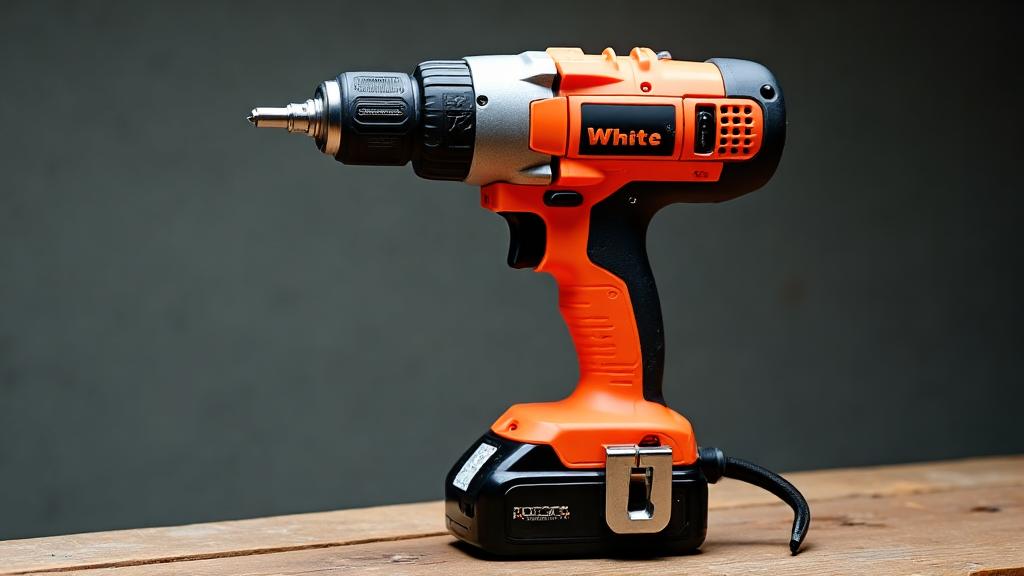
- What it is: A rechargeable battery pack powers the tool, eliminating the cord and its shock risks.
- Use when: Portability is needed or grounded outlets are unavailable.
- Key check: Use only the manufacturer-specified battery and charger. Damaged batteries can still cause fire or shock.
Practical Reminders
- Verify compliance even for new tools. Check the label or plug type.
- Inspect cords and plugs before each use. Frayed cords, bent prongs, or cracked insulation defeat protection.
- Use GFCI protection with any corded tool, especially outdoors. It is an additional layer, not a replacement for grounding.
- Double insulation is not “ungrounded.” It is an engineered safety method that meets the same requirement.
Why This Matters
Electrical shock causes hundreds of injuries and fatalities each year. The rule that electrical power tools must be grounded, double-insulated, isolated, or battery-powered is a fundamental control. Understanding these four paths helps prevent accidents at work and at home.
This article is based on publicly available safety documents and standard references.