Quick Answer
Ryobi brushless cordless drills offer better runtime, motor life, and power than brushed models. The lineup includes a high-torque 1/2" drill/driver (up to 850 in-lbs, 45% faster drilling) and a compact 3/8" right-angle drill (up to 350 in-lbs, 2X torque over previous models). Choosing the right one depends on your job site and budget.
Main Explanation
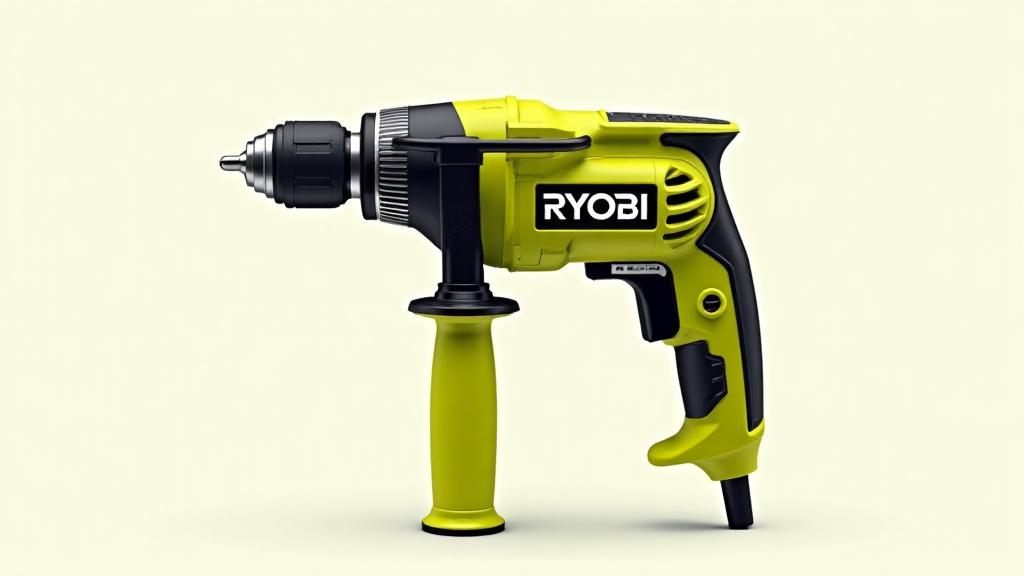
Ryobi’s 18V ONE+ HP Brushless drills use brushless motors to deliver more power, longer runtime, and increased durability. The two most relevant models for most users are:
| Model | Chuck Size | Max Torque | Key Feature | Price (Kit) |
|---|---|---|---|---|
| 18V ONE+ HP Brushless 1/2" Drill/Driver | 1/2" | Up to 850 in-lbs | Most powerful Ryobi drill; 45% faster drilling | $149 (kit) / $169 (bare) |
| 18V ONE+ HP Brushless Compact 3/8" Right Angle Drill | 3/8" | Up to 350 in-lbs | 2X torque vs. previous model; compact for tight spaces | Tool only (battery sold separately) |
Note: Torque and speed claims come from manufacturer product pages and have not been independently verified in our testing.
Decision Framework: How to Choose Your Ryobi Brushless Drill
Use this ordered framework to pick the right drill for your task:
Step 1: Determine your torque needs
- Heavy drilling (large holes in wood, masonry, metal) → Need 850 in-lbs → Choose the 1/2" HP Brushless.
- Light to medium drilling (small holes in wood, drywall, driving screws) → 350 in-lbs is sufficient → Consider the compact right-angle model.
Step 2: Evaluate workspace constraints
- Tight spots (inside cabinets, between studs) → The 3/8" right-angle drill’s compact head fits better.
- Open spaces → Standard 1/2" drill/driver works fine.
Step 3: Check battery compatibility
Both drills use Ryobi’s 18V ONE+ battery system. If you already own ONE+ batteries, buying a tool-only version saves money.
Step 4: Compare total cost
- 1/2" kit ($149) includes battery and charger.
- Right-angle drill is tool-only (~$99); you need a battery and charger if you don’t have them.
Step 5: Match to your typical tasks
- Framing, decking, large holes → 1/2" HP Brushless.
- Cabinetry, electrical, plumbing (tight access) → Right-angle brushless.
Practical Takeaways
- For most DIYers, the 1/2" HP Brushless drill/driver is the best all-around choice because it handles the widest range of drilling and driving tasks.
- If you frequently work in confined areas, the compact right-angle drill can reach places a standard drill cannot.
- Both models benefit from brushless technology – longer runtime and motor life than brushed alternatives.
- Always purchase batteries from the same system to ensure compatibility; Ryobi ONE+ batteries work across all ONE+ tools.
For video demonstrations and hands-on tips, refer to independent reviews like the Ryobi 18V ONE+ 1/2 Inch Drill/Driver review and how-to guides.