Key Differences
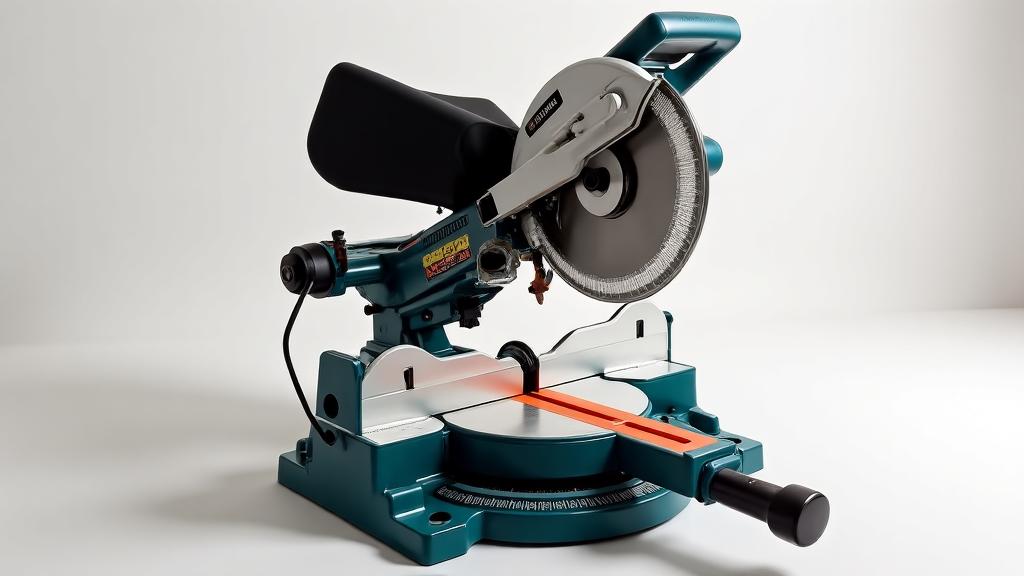
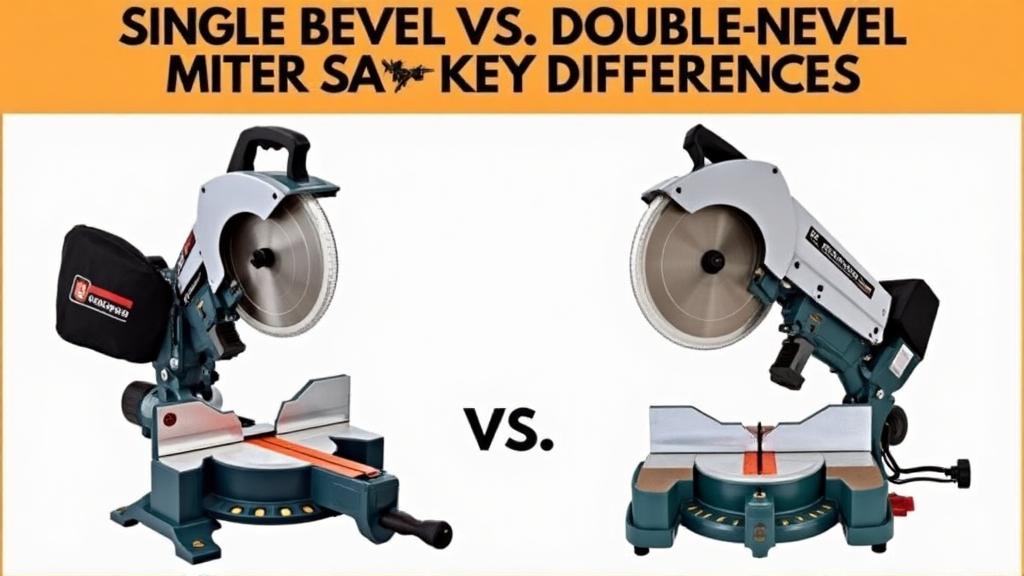
A single bevel miter saw tilts the blade in only one direction, usually to the left, to make a bevel cut. To cut the opposite bevel, you must flip the workpiece or reposition the saw. This adds steps and can reduce accuracy for mirrored cuts like crown molding or picture frames.
A double bevel miter saw (also called dual bevel) tilts the blade both left and right. You can make bevel cuts in either direction without moving the workpiece. This saves time and improves consistency when cutting matching angles, especially on long or heavy stock.
Comparison Matrix
| Criteria | Single Bevel Miter Saw | Double Bevel Miter Saw |
|---|---|---|
| Bevel direction | Tilts in one direction (usually left) | Tilts both left and right |
| Cost | Lower initial price | Higher initial price |
| Convenience | Requires flipping workpiece for opposite bevel cuts | No flipping needed; blade tilts both ways |
| Speed of setup | Slower for mirrored cuts | Faster for mirrored cuts; fewer adjustments |
| Best for | Basic trim, crosscuts, hobbyists who rarely need dual bevels | Crown molding, production work, frequent mirrored bevel cuts |
When to Choose Each Option
Choose a single bevel miter saw if:
- You are on a tighter budget. Single bevel models generally cost less than double bevel ones.
- Most of your cuts are straight crosscuts or single-sided bevels. Many users rarely need both left and right bevels.
- You work with small or manageable pieces that are easy to flip. For occasional mirrored cuts, flipping the workpiece is an acceptable compromise.
- You are a DIYer or beginner who wants an entry-level saw without the added cost of a dual bevel mechanism.
Choose a double bevel miter saw if:
- You regularly cut crown molding, baseboards, or picture frames that require precise mirrored bevel angles.
- You value speed and efficiency. Not having to flip the workpiece significantly reduces setup time.
- You work with long or heavy boards that are awkward to turn over. The double bevel lets you keep the workpiece in place.
- You are a professional or serious hobbyist who needs maximum versatility from one saw.
Bottom Line
Both saws perform the same basic cutting tasks. The single bevel is a cost-effective choice for occasional bevel cuts, while the double bevel offers convenience and speed for frequent mirrored cuts. Assess your typical projects: if you often need left and right bevel angles without moving the workpiece, the extra investment in a double bevel saw pays off in time and accuracy. If your needs are simpler, a single bevel saw will serve you well without the added expense.
Article based on sourced comparisons from video guides, retailer resources, DIY blogs, and user forums. No hands-on testing was performed by the author.