Quick Answer
The one item that should never be engaged when using a power tool is the trigger lock. Engaging the trigger lock while the tool is in use prevents it from operating properly, which can mislead the user into thinking the tool is ready when it is not. In addition to the trigger lock, several other critical practices must be avoided. The checklist below covers the key items to never engage.
Decision Framework: What Never to Engage When Using Power Tools
Use this ordered checklist before every use. If any condition applies, do not engage the tool until the issue is resolved.
1. Do Not Engage the Trigger Lock
The trigger lock is designed to prevent accidental activation, but it must never be engaged while operating the tool. Engaging it locks the trigger, rendering the tool non-functional and increasing the risk of misuse or injury.
2. Do Not Engage the Tool Without Safety Guards
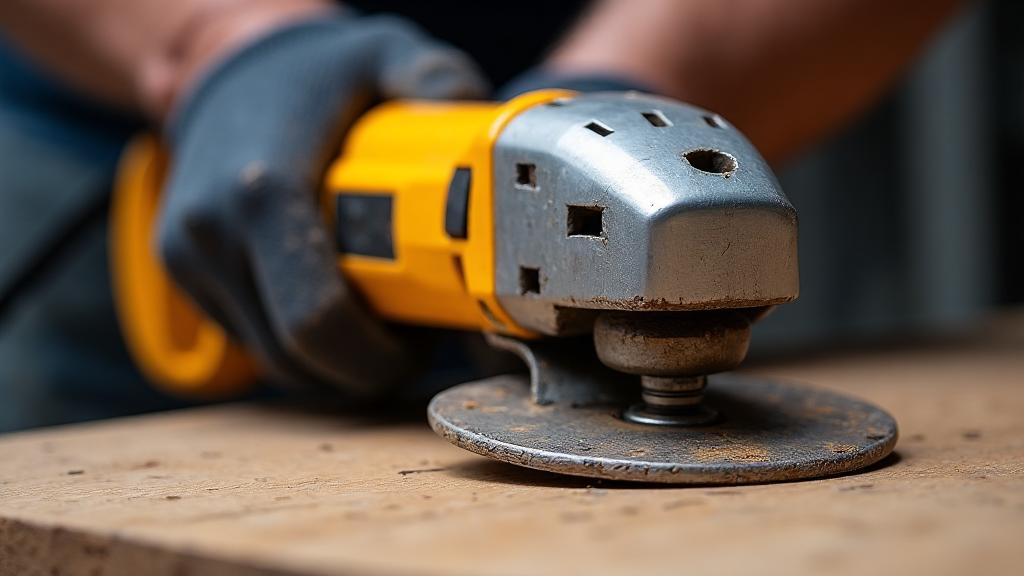
Safety guards protect you from moving parts and flying debris. Never remove or bypass them. For example, a worker who removed the guard from an angle grinder suffered severe lacerations. Always ensure guards are in place before starting the tool.
3. Do Not Engage the Tool in Wet or Rainy Conditions
Water dramatically increases the risk of electric shock and can damage the tool. Never use power tools in wet environments, including rain, damp floors, or wet workspaces.
4. Do Not Engage the Tool With Loose Clothing or Jewelry
Loose clothing, gloves, or jewelry can become caught in rotating parts. For instance, a sleeve can entangle in a rotating blade, causing loss of control and serious injury. Wear fitted clothing and remove all jewelry before operating.
5. Do Not Engage the Tool Without Securing the Workpiece
On stationary tools like a drill press, never engage the motor or chuck unless the workpiece is securely clamped. An unclamped workpiece may be ejected or cause the tool to grab unexpectedly.
6. Do Not Engage the Tool in Flammable Areas
Sparks from power tools can ignite flammable gases, dust, or liquids. Never operate tools in explosive atmospheres, such as near gasoline, paint thinners, or combustible dust.
7. Do Not Engage the Tool With One Hand
Operating power tools one-handed reduces control and increases accident risk. Always use both hands where possible, unless the tool is specifically designed for one-handed use.
Practical Takeaways
- Always inspect your tool before use: confirm the trigger lock is disengaged, safety guards are in place, and the work area is dry and free of flammable materials.
- Secure your workpiece using clamps or vises for stationary tools.
- Dress appropriately with no loose clothing, jewelry, or long hair near moving parts.
- Read the manual for each tool, as it contains specific safety warnings.
This guidance is based on desk research from safety publications and tool manuals. It has not been verified through hands-on testing. Always follow the manufacturer's instructions for your specific tool.
References
- Brainly – "What should NEVER be engaged when using power tools?" (https://brainly.com/question/51814591)
- Cisivis Tools – "What You Should Never Engage When Using Power Tools" (https://cisivistools.com/what-you-should-never-engage-when-using-power-tools)
- XNJTG – "10 Critical Safety Bans: What NOT to Do with Power Tools" (https://www.xnjtg.com/post/what-is-never-to-be-engaged-when-using-power-tools-10-critical-safety-bans)
- DrillMaxx Tools – "What Not to Engage When Using Power Tools – Safety Tips" (https://drillmaxxtools.com/what-is-never-to-be-engaged-when-using-power-tools)
- UML PDF – "When Using Power Tools Never Engage The" (https://climber.uml.edu.ni/fetch.php/Resources/M1a694/WhenUsingPowerToolsNeverEngageThe.pdf)
- AB Tool Rentals – General Power Tool Safety Warnings (https://abtoolrentals.com/instruct/SPT79-00_SAFETY.pdf)